
Late Effects of Cancer Treatment: What to Watch For and How to Manage Them
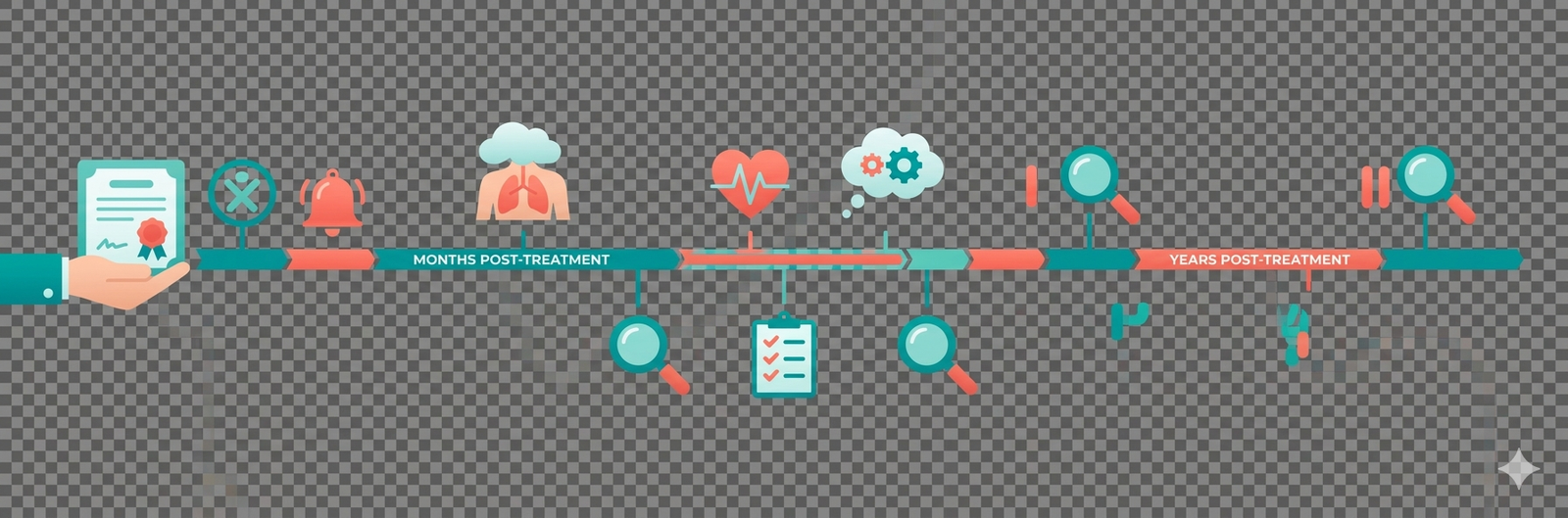
Late effects are side effects of cancer treatment that emerge or persist months to years after treatment ends. Unlike acute side effects (nausea during chemotherapy, fatigue immediately after radiation), late effects can appear after treatment has been completed and the cancer has been treated. Understanding what late effects are associated with your specific treatments allows you to monitor for them proactively and seek management early — when intervention is most effective.
What Causes Late Effects
Late effects result from the mechanisms of cancer treatment acting on healthy tissues and organ systems:
- Chemotherapy: Cytotoxic agents affect rapidly dividing cells throughout the body — not just cancer cells. DNA damage, oxidative stress, and organ toxicity can persist or emerge after treatment ends
- Radiation therapy: Radiation causes DNA damage in the treatment field. Even with modern precision techniques, surrounding healthy tissue receives some radiation dose, and the effects of this can emerge years later
- Surgery: Structural changes, lymph node removal, and nerve damage from surgical procedures create specific long-term effects depending on the site and extent of surgery
- Hormone therapy: Treatments that suppress hormone production (aromatase inhibitors, GnRH agonists, anti-androgens) have systemic effects on bone density, cardiovascular health, cognitive function, and sexual health
- Immunotherapy and targeted therapy: Newer treatments have their own emerging late effect profiles, some of which involve persistent immune activation affecting various organ systems
Cardiovascular Late Effects
Cardiovascular late effects are among the most significant and most prevalent. They include:
Cardiomyopathy (Heart Muscle Damage)
Associated with: anthracycline chemotherapy (doxorubicin, epirubicin), HER2-targeted therapies (trastuzumab), and left-sided chest radiation. Can emerge years after treatment. Symptoms: shortness of breath, reduced exercise tolerance, ankle swelling, fatigue. Monitoring: echocardiogram as clinically indicated. Management: cardiology referral, cardiac medications as needed, heart-healthy lifestyle.
Coronary Artery Disease and Heart Attack Risk
Associated with: chest radiation therapy (particularly for left-sided breast cancer, lymphoma, lung cancer). Radiation causes accelerated atherosclerosis in arteries within or near the radiation field. Risk may be elevated for 10–15 years or longer after radiation. Monitoring: cardiovascular risk factor management (blood pressure, cholesterol, glucose), cardiology consultation for high-risk patients.
Arrhythmias
Associated with: certain chemotherapy agents, radiation near the heart. Regular monitoring of cardiac rhythm as clinically indicated.
Cognitive Late Effects (Chemo Brain)
Affecting 35% of survivors at 1 year post-treatment, cognitive changes from cancer treatment include memory difficulties, concentration problems, word-finding struggles, and processing speed reduction. These are neurologically real — imaging studies document changes in brain activity and structure after certain treatments. Most survivors see improvement over time; some experience lasting effects. Management: aerobic exercise has the strongest evidence for improvement; cognitive rehabilitation with a neuropsychologist is beneficial for significant impairment; sleep optimization, stress management, and structured cognitive strategies all contribute.
Peripheral Neuropathy
Affecting up to 40% of survivors who received taxane or platinum-based chemotherapy, peripheral neuropathy involves numbness, tingling, or pain in the hands and feet. It can affect balance, fine motor skills, and daily activities. Often improves but can persist for years in a subset of survivors. Early intervention is more effective than waiting. Management: duloxetine (antidepressant with neuropathy evidence), physical therapy for balance and gait, occupational therapy for hand function, certain supplements under medical guidance.
Bone Health Effects
Osteoporosis and Bone Loss
Associated with: aromatase inhibitors (breast cancer), GnRH agonists (prostate cancer), corticosteroids, certain chemotherapy agents. Treatment-induced menopause in premenopausal women causes rapid bone loss. Monitoring: baseline DEXA scan at treatment completion, repeat per guidelines. Management: calcium and vitamin D supplementation, weight-bearing exercise, bisphosphonates or RANK-L inhibitors for significant bone loss.
Second Primary Cancers
Cancer survivors face an elevated risk of developing a second, different primary cancer — both from shared risk factors (genetics, lifestyle) and from the carcinogenic effects of some treatments. Important second cancer risks by treatment:
- Alkylating agent chemotherapy: increased risk of myelodysplastic syndrome and acute leukemia (usually within 5–10 years)
- Chest radiation: increased risk of breast cancer in women treated with chest radiation before age 30 (Hodgkin lymphoma survivors have intensive breast cancer surveillance protocols for this reason)
- Hormonal therapy: tamoxifen increases uterine cancer risk; routine annual gynecologic follow-up is recommended
This is not a reason for paralysis — the absolute risk of second cancers remains relatively low for most survivors. It is a reason for appropriate surveillance, which your survivorship care plan should include. See our complete guide to cancer follow-up care for surveillance recommendations.
Sexual and Reproductive Health Late Effects
Cancer treatment affects sexual health and fertility across cancer types and treatments — yet these effects are significantly underreported by patients and underaddressed by providers. Common effects:
- Vaginal dryness and dyspareunia from treatment-induced menopause or local radiation (highly treatable with vaginal estrogen, lubricants, and dilator therapy)
- Erectile dysfunction from prostate cancer treatment (multiple effective management options exist)
- Fertility impairment from gonadotoxic chemotherapy and radiation
- Changes in sexual desire and function from hormonal shifts, fatigue, and psychological effects of cancer experience
Addressing these effects is part of comprehensive survivorship care. Sexual health specialists, pelvic floor physical therapists, and reproductive endocrinologists all have specific expertise for these concerns. Don’t let discomfort discussing these issues prevent you from accessing effective treatment.
Lymphedema
Lymphedema — swelling caused by damage to the lymphatic system from surgery or radiation — most commonly affects the arm (after breast cancer treatment with axillary lymph node dissection) or the leg (after gynecologic, prostate, or melanoma treatment). It can develop immediately post-treatment or months to years later. Risk factors: extensive lymph node dissection, radiation to lymph node regions, infection, obesity.
Management: certified lymphedema therapist (CLT) is the specialized clinician for lymphedema. Manual lymphatic drainage, compression garments, skin care, and exercise are the main treatment components. Early referral at first signs is far more effective than waiting for severe lymphedema.
Fatigue as a Late Effect
Cancer-related fatigue can persist long after treatment — it’s one of the most common and disabling late effects. Unlike ordinary tiredness, it’s not relieved by rest and is often multifactorial (anemia, thyroid dysfunction, sleep disturbance, depression, deconditioning, and direct treatment effects all contribute). See our dedicated guide on managing cancer fatigue.
Frequently Asked Questions
How do I know if a new symptom is a late effect or a recurrence?
This question requires your medical team’s assessment — it cannot be answered by symptoms alone. New, unexplained, or persistent symptoms should always be reported to your oncology or survivorship care provider promptly. Don’t self-diagnose or avoid reporting because you’re afraid of the answer; early reporting of both late effects and recurrences produces better outcomes than delayed detection.
Are late effects inevitable?
Not all survivors develop significant late effects, and the probability varies significantly by cancer type, treatment received, individual factors, and follow-up care quality. Many late effects are preventable with appropriate monitoring and preventive interventions (bone protection with hormonal therapy, cardiac monitoring with cardiotoxic drugs, etc.) or effectively manageable when identified early. Knowledge and proactive follow-up are your primary tools.
Where do I find a specialist in late effects?
Survivorship clinics at comprehensive cancer centers offer the most integrated late effects assessment and management. If no survivorship clinic is available, your oncologist can refer to appropriate specialists based on your specific treatment history (cardiologist for cardiotoxic therapy, endocrinologist for hormonal effects, pelvic health PT for sexual/urinary effects, etc.). The LIVESTRONG Cancer Institutes directory and major cancer center survivorship programs are searchable resources.
Conclusion
Late effects are a real, documented aspect of cancer survivorship that deserve the same attention as surveillance for recurrence. The goal of cancer treatment — cure or long-term remission — should not come with preventable and unmanaged secondary health burdens. With appropriate monitoring (driven by a personalized survivorship care plan), proactive discussion with your care team, and access to specialized care when needed, most late effects can be prevented, detected early, or effectively managed. You’ve fought through treatment; understanding what to watch for afterwards is part of protecting that hard-won health.