
Returning to Work After Cancer: Your Rights and Practical Tips
Going back to work after cancer treatment is a significant milestone — and a significant challenge. Here’s what your rights are and how to make the transition.
Cancer doesn’t happen in isolation — it happens in the context of relationships. Partners become caregivers. Children watch their parent fight for life. Friends don’t know what to say and sometimes disappear. And when treatment ends, the relationship dynamics that formed during the crisis don’t automatically reset to what they were before. Rebuilding and deepening…

The evidence on exercise for cancer survivors is among the most robust and consistently positive in survivorship research — and among the most consistently underutilized. Multiple national cancer organizations, including the American Cancer Society, ASCO, and the NCCN, now include exercise as an evidence-based recommendation for cancer survivors. This guide gives you the research-backed rationale…
After cancer treatment, many survivors have urgent, unanswered questions about nutrition — What should I eat now? Are there foods that will prevent recurrence? What about supplements? The nutrition space for cancer survivors is unfortunately also filled with misinformation, aggressive supplement marketing, and oversimplified advice. This guide focuses on what the evidence actually shows about…
Cancer-related fatigue (CRF) is consistently rated by survivors as one of the most disabling and distressing effects of cancer and its treatment — often more disruptive to daily life than pain, nausea, or other symptoms. It’s distinct from ordinary tiredness in a fundamental way: it’s not proportional to activity, it’s not relieved by rest or…
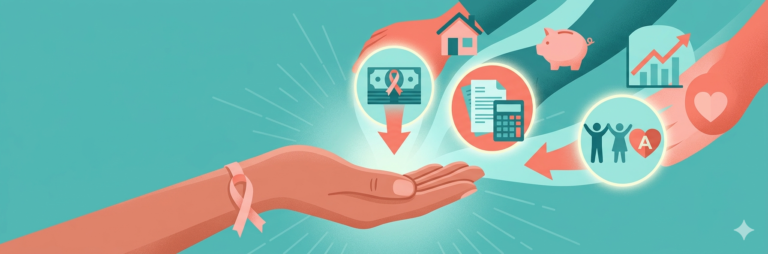
Cancer is the most financially devastating medical diagnosis in the United States. Treatment costs, lost income during treatment, ongoing medication expenses, and the reality that follow-up care continues for years create a financial burden that affects the overwhelming majority of survivors. This guide compiles every category of financial assistance available to cancer survivors in 2026…
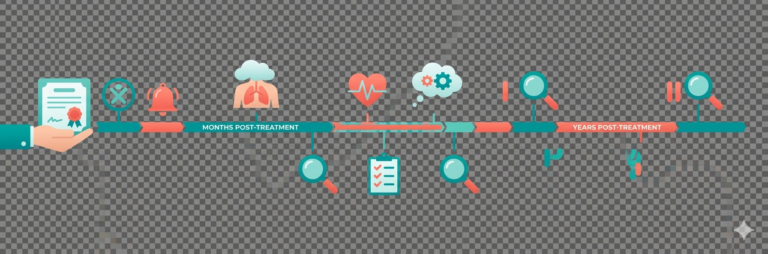
Late effects are side effects of cancer treatment that emerge or persist months to years after treatment ends. Unlike acute side effects (nausea during chemotherapy, fatigue immediately after radiation), late effects can appear after treatment has been completed and the cancer has been treated. Understanding what late effects are associated with your specific treatments allows…
For many cancer survivors, returning to work represents one of the most tangible markers of resuming normal life — and one of the most practically complex challenges of survivorship. Whether you’re returning to the same role, considering a different career path, or navigating the financial pressure to return before you feel ready, this guide provides…
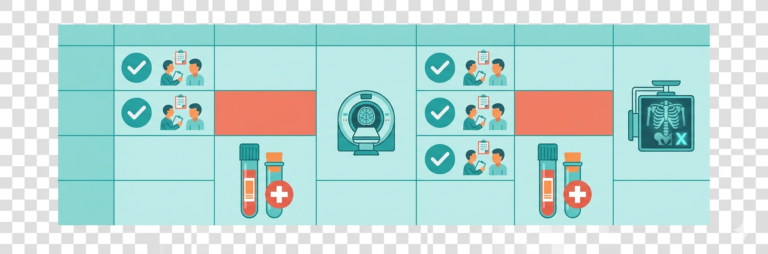
Completing cancer treatment is a milestone — but it’s not the end of your medical journey. Follow-up care, also called surveillance or survivorship care, is the ongoing monitoring that protects your health after treatment ends. Understanding what your follow-up care should include, why it matters, and how to advocate for comprehensive survivorship support is essential…
Anxiety is one of the most common — and least discussed — experiences of cancer survivorship. The same vigilance that helped you survive treatment can become a source of significant distress afterward. Understanding why post-cancer anxiety happens, and what actually helps, can make a real difference in your quality of life. 💙 Important: If anxiety…