Life After Cancer: What to Expect in Your First Year
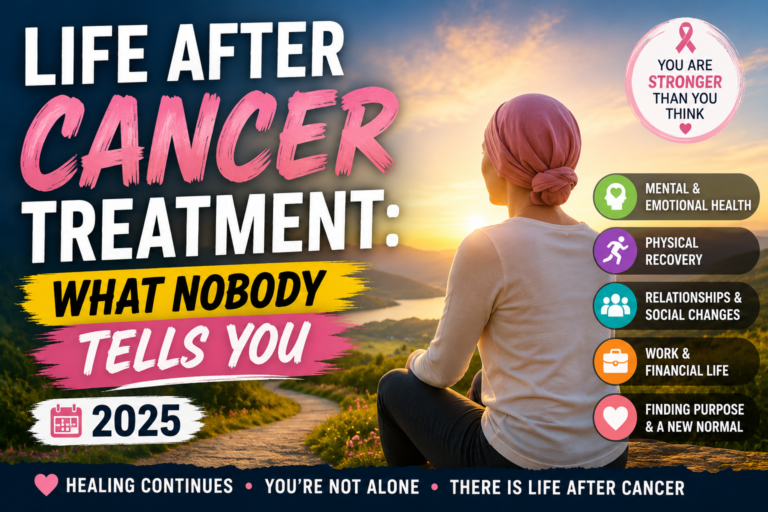
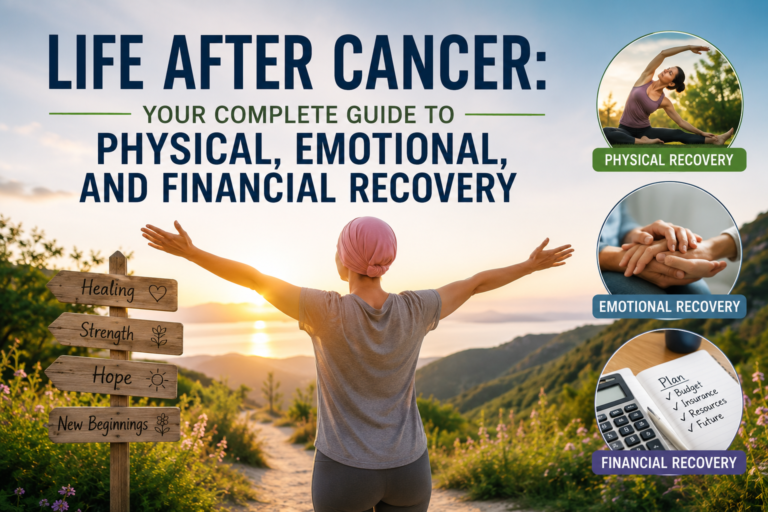
Finishing cancer treatment is a moment that most patients dream about throughout their diagnosis. But what comes after that final treatment session is often far more complex than anyone prepares you for. Life after cancer brings a unique mix of relief, fear, physical challenges, and emotional upheaval. This guide helps you understand what to expect in your first year after treatment ends.
The Mixed Emotions of Finishing Treatment
Many cancer survivors expect to feel pure joy when treatment ends. In reality, finishing treatment often brings a complicated emotional mix. Relief and gratitude exist alongside fear of recurrence, anxiety about losing the regular medical monitoring of active treatment, and sometimes even grief for the person you were before diagnosis. These feelings are completely normal. Read our guide on Managing Fear of Cancer Recurrence if anxiety about cancer coming back is a significant concern.
Physical Recovery After Cancer Treatment
Cancer treatment takes a significant toll on the body. Common physical challenges in the first year include profound fatigue, changes in cognitive function (chemo brain), hair regrowth at different texture or color, changes in weight and appetite, hormonal changes, neuropathy or numbness in hands and feet, and reduced immune function. Recovery is not linear. Some days you will feel almost normal. Other days the fatigue will be overwhelming. Read Cancer Fatigue After Treatment: How to Recover Your Energy for specific strategies.
Follow-Up Care and Monitoring
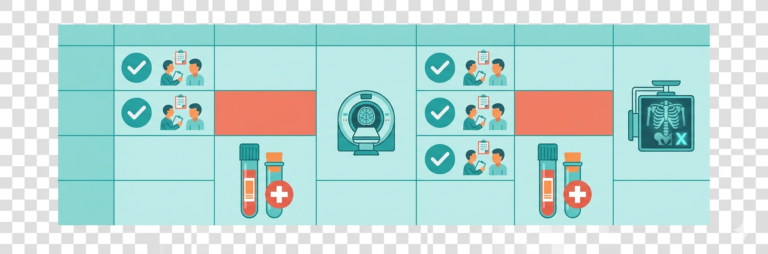
After active treatment ends, you will transition to a follow-up care schedule. This typically involves regular appointments with your oncologist every 3 to 6 months in the first two years, then annually after that. Follow-up appointments can trigger significant anxiety known as scanxiety. Read our guide on Dealing With Scanxiety After Cancer Treatment for coping strategies.
Returning to Work After Cancer
Returning to work is a major milestone in post-cancer life. There is no universal timeline — the right time depends on your specific treatment, your job demands, and your individual recovery pace. Communicate openly with your employer about any accommodations you may need. Read Returning to Work After Cancer Treatment for a detailed guide.
Financial Recovery After Cancer
Cancer treatment is extremely expensive. Medical bills, lost income during treatment, and ongoing follow-up care costs create significant financial stress for many survivors. Read Managing Medical Bills After Cancer Treatment for practical strategies.
Finding Your New Normal
Many survivors talk about finding their new normal — a life that is different from before cancer but full of meaning, joy, and purpose. This does not happen instantly. It is built gradually through small daily choices about how you eat, move, rest, and connect with others. Your new normal is yours to define.
Conclusion
The first year after cancer treatment is one of the most challenging and transformative periods of a survivor’s life. Be patient with yourself, lean on your support system, and know that you are not alone. Continue your journey with Cancer Fatigue After Treatment: How to Recover Your Energy and Managing Fear of Cancer Recurrence.