
Life After Cancer: What No One Tells You About the First Year in Remission
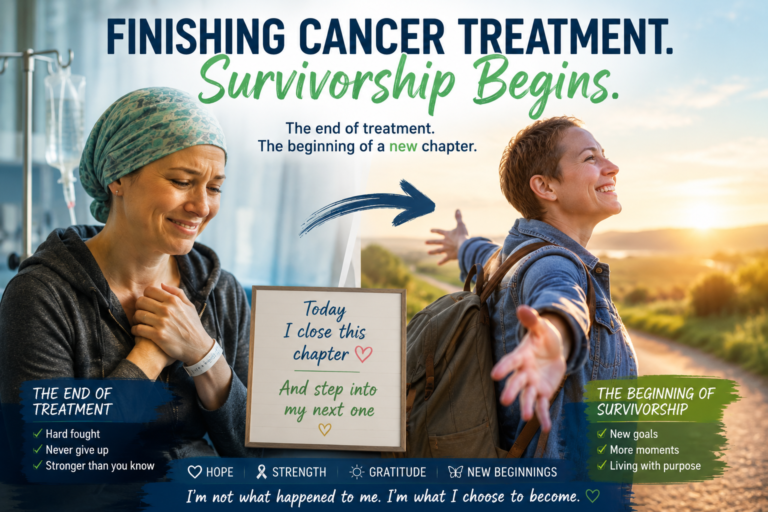
Finishing cancer treatment is a moment most patients dream about through every difficult procedure, every side effect, every sleepless night. And yet, for many survivors, the end of active treatment brings not only relief but a complicated, disorienting transition that no one adequately prepared them for. If you’ve recently completed treatment and found that “you should be celebrating” doesn’t match how you actually feel, this guide is for you.
The first year in remission is often the most emotionally and physically complex of the cancer journey — not because anything is medically wrong, but because the structure of treatment disappears, the focus of your medical team shifts, and you’re expected to “return to normal” while your body, mind, and sense of self have been profoundly changed.
The End-of-Treatment Paradox
Oncology teams call it “end-of-treatment syndrome” — the counterintuitive experience of feeling worse emotionally after treatment ends than during active therapy. During treatment, you had a clear enemy, a clear plan, and a team actively fighting alongside you. When treatment ends, the team steps back, the regular scans and appointments spread out, and you’re left with the question: what now?
This experience is so common that major cancer centers have begun offering formal “end-of-treatment” programs that address the psychological transition explicitly. If you’re experiencing it, you’re not ungrateful, you’re not weak, and you’re not unusual — you’re having a normal human response to an abnormal experience.
Physical Changes That Persist After Treatment
Many survivors are surprised to find that their bodies don’t simply return to pre-cancer normal when treatment ends. Common persistent and late effects include:
Fatigue
Cancer-related fatigue can persist for months to years after treatment completion. Unlike ordinary tiredness, it’s not resolved by sleep and can be debilitating. The National Comprehensive Cancer Network (NCCN) recommends structured exercise as the most evidence-supported intervention for cancer-related fatigue — even low-intensity, consistent movement (10–20 minute daily walks) shows measurable improvement in fatigue outcomes.
Cognitive Changes (“Chemo Brain”)
Memory lapses, difficulty concentrating, word-finding struggles, and cognitive fogginess — sometimes called “chemo brain” or “cognitive impairment related to cancer treatment” (CRCI) — affect up to 75% of patients during treatment and persist in 35% of survivors at one year post-treatment. These symptoms are real, neurologically documented, and typically improve over time with the right strategies.
Pain and Neuropathy
Chemotherapy-induced peripheral neuropathy (tingling, numbness, or pain in hands and feet) can persist long after the last infusion. Early intervention with physical therapy, certain medications (duloxetine shows evidence in trials), and lifestyle management is more effective than waiting.
Hormonal Changes
Treatment-induced menopause, testosterone suppression, and other hormonal effects from chemotherapy, radiation, or hormone therapy can persist and cause a wide range of symptoms. Consulting with your oncologist or a survivorship specialist about evidence-based management options — not just accepting these as permanent — is important.
Immune System Recovery
Immune system recovery after chemotherapy takes months to years. Vaccination schedules often need to be reviewed post-treatment (some vaccines may need to be repeated). Your oncologist or survivorship care team should review your immunization status.
The Emotional Reality of the First Year
Fear of Recurrence
Fear of cancer returning is the most universally reported concern among survivors — experienced by over 70% in various studies. This fear is rational (recurrence is a real possibility for many cancer types) but can become intrusive and debilitating when it interferes with daily functioning, relationships, and quality of life. Evidence-based psychological interventions (particularly Acceptance and Commitment Therapy and Mindfulness-Based Cognitive Therapy adapted for cancer survivors) have demonstrated effectiveness for managing fear of recurrence without requiring complete elimination of the fear — because some level of vigilance is actually adaptive.
Survivor’s Guilt
If you’ve lost others to the same disease — fellow patients, people in your support groups, or loved ones — survivor’s guilt is a common and deeply difficult experience. Professional support from a counselor or therapist experienced in oncology can help process this in a healthy way. Connecting your survival with purposeful action — advocating, supporting others, living intentionally — is one of the most evidence-supported paths through survivor’s guilt.
Identity Disruption
Cancer treatment can fundamentally alter your sense of self, your body image, your relationships, your priorities, and your understanding of what matters. This disruption, while painful, is also an opportunity — many survivors report post-traumatic growth: a deepened sense of meaning, stronger relationships, and reordered priorities that they ultimately consider positive outcomes of an unwanted experience.
Relationship Changes
Relationships are profoundly affected by the cancer experience — both positively and negatively. Partners, family members, and friends who were caregivers during treatment are also recovering from a traumatic experience. The relationship dynamic that formed during treatment (one person sick, others caregiving) may persist even after you feel better, creating friction as you reclaim independence. Couples counseling and family communication are often underutilized but highly effective resources during this transition.
Building Your Survivorship Care Plan
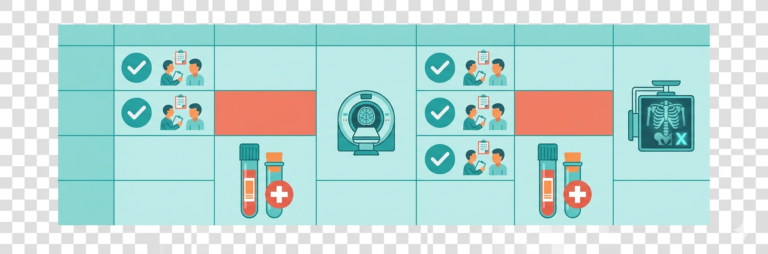
A Survivorship Care Plan (SCP) is a personalized document that summarizes your treatment history, identifies potential late effects to monitor, schedules recommended follow-up appointments, and outlines health promotion recommendations. Ask your oncologist for one if you haven’t received it. The Commission on Cancer requires accredited cancer centers to provide survivorship care plans.
Your survivorship care plan should address: follow-up appointment schedule and what each appointment monitors, late effects surveillance (what to watch for and when), lifestyle recommendations (exercise, nutrition, alcohol, sun protection), screening recommendations for second primary cancers, and mental health and support resources.
Practical First-Year Priorities
- Establish your follow-up care team: Transition from active oncology to survivorship care is a documented gap in cancer care. Identify your primary oncologist, primary care provider, and any specialty follow-up clearly.
- Address late effects proactively: Don’t wait for problems to become serious before raising them. Every symptom has a name, a management approach, and usually a specialist who handles it.
- Build physical activity gradually: Exercise is the most evidence-supported intervention across fatigue, mood, recurrence risk reduction, and quality of life in survivorship. Start where you are, not where you were before cancer.
- Connect with other survivors: Peer support dramatically reduces isolation and provides practical wisdom. Cancer support groups (in-person and online) offer a community that understands the experience in ways that even loving non-survivor friends and family cannot fully replicate.
- Address financial impacts: Cancer treatment creates significant financial burden for most families. Financial navigators at cancer centers, LIVESTRONG Foundation, and the Cancer Financial Assistance Coalition (CFAC) provide resources for managing medical debt and costs after treatment.
Real Story: The First Year in Her Own Words
“When I rang the bell at the end of chemo, everyone in the room was crying and clapping. I was smiling but I felt completely hollow inside. For the next six months, I couldn’t explain why I was more anxious than I’d been during treatment. My oncologist called it ‘re-entry.’ My therapist called it ‘post-treatment adjustment.’ I called it the loneliest I’d ever felt while supposedly being fine.”
“What helped: a survivorship clinic appointment that took three hours and actually listened to everything I was experiencing. A cancer survivor support group where I finally felt understood. And accepting that ‘being done with cancer’ is not a single moment — it’s a process that takes as long as it takes.”
— Breast cancer survivor, 2 years in remission
Frequently Asked Questions
When does fear of recurrence get better?
For most survivors, fear of recurrence is most intense in the first year and particularly spikes around follow-up appointments and anniversaries. It typically — but not universally — moderates over time. If fear of recurrence is significantly interfering with your life, seek support from a therapist with oncology experience. Evidence-based treatments (ACT, MBCT) have demonstrated effectiveness in reducing distress without requiring the fear to disappear entirely.
Should I join a cancer support group?
Research consistently shows peer support benefits for cancer survivors — reduced depression, improved coping, and better quality of life outcomes. Both in-person and online formats show benefits. The Cancer Support Community, LIVESTRONG, and cancer-specific organizations all provide peer support resources. Finding your format (group therapy, peer mentoring, online forums) depends on your personal comfort and availability.
How long does chemo brain last?
Most survivors see significant improvement in cognitive symptoms within 6–12 months of treatment completion. Some experience lasting effects. Cognitive rehabilitation therapy, aerobic exercise, good sleep hygiene, and strategies for cognitive load management all contribute to improvement. If symptoms are significantly impacting your function, ask for a referral to a neuropsychologist for formal assessment and targeted intervention.
Is it normal to feel lost after finishing cancer treatment?
Completely normal, and extraordinarily common. The structure of treatment — appointments, protocols, a team actively working on your behalf — provides a kind of scaffolding. When it’s removed, many survivors feel disoriented. This isn’t failure or ingratitude; it’s a predictable psychological response to a major life transition. See our dedicated guide on managing anxiety after cancer treatment for specific strategies.
Conclusion
The first year after cancer treatment is not simply a return to the life you had before. It’s a new chapter — with new physical realities, new emotional textures, and new questions about identity, purpose, and what matters most. The survivors who navigate this year most successfully are those who resist the pressure to “be fine” quickly, who build a comprehensive support system (medical, psychological, social), and who treat survivorship as its own phase of care that deserves as much attention as treatment. You’ve done the hardest part. The next chapter belongs to you — and you don’t have to figure it out alone. See our guides on follow-up care and returning to work after cancer for practical next steps.