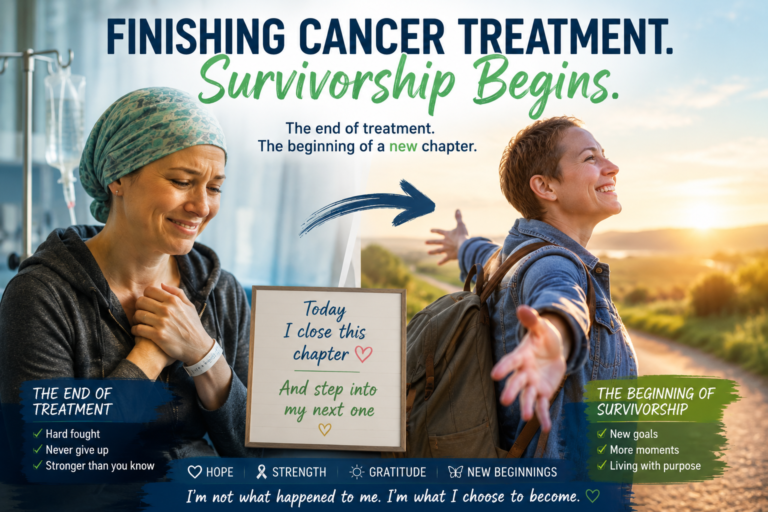
Returning to Work After Cancer Treatment: A Complete Guide
Returning to work after cancer treatment is a significant milestone — one that signals recovery and a return to normal life for many survivors. But it also comes with real challenges: physical limitations, cognitive changes, emotional readiness, and navigating workplace dynamics. This guide helps you plan your return to work in a way that protects your health and wellbeing.
When Is the Right Time to Return?
There is no universal answer. The right time depends on your physical recovery, the demands of your specific job, your emotional readiness, and your financial situation. Do not rush the process to meet others’ expectations. Read Cancer Fatigue After Treatment: How to Recover Your Energy — fatigue is the most common reason survivors delay returning to work.
Know Your Legal Rights
In the United States, cancer survivors are protected by several federal laws. The Americans with Disabilities Act (ADA) requires employers with 15 or more employees to provide reasonable accommodations for employees with disabilities — and cancer and its side effects often qualify. The Family and Medical Leave Act (FMLA) entitles eligible employees to up to 12 weeks of unpaid, job-protected leave per year for serious health conditions.
Requesting Workplace Accommodations
Reasonable accommodations might include a modified or reduced work schedule during initial return, permission to work from home on difficult days, a private space for rest breaks, modified job duties, and flexible scheduling for medical appointments. When requesting accommodations, be as specific as possible about what you need and why.
Managing Chemo Brain at Work
Cognitive changes after cancer treatment affect many survivors’ ability to concentrate and remember information. Strategies that help include using written lists and organizational tools rather than relying on memory, breaking complex tasks into smaller steps, asking colleagues to put important information in writing, and scheduling demanding mental tasks for your peak energy times. Read Chemo Brain: Understanding and Managing Cognitive Changes After Cancer for more detailed strategies.
Deciding What to Tell Colleagues
Deciding how much to share about your cancer with colleagues is deeply personal. You are under no legal obligation to disclose your medical history. Some survivors find openness liberating and receive enormous support. Others prefer privacy and a clean return to their professional identity.
Conclusion
Returning to work after cancer is a process, not an event. Be patient, know your rights, communicate openly with your employer, and prioritize your health above all else. Many cancer survivors return to thriving careers — and some use their experience to find more meaningful work than ever before. Continue with Life After Cancer: What to Expect in Your First Year and Chemo Brain: Understanding and Managing Cognitive Changes After Cancer.